


The FIBA Basketball World Cup 2027 African Qualifiers Smart Power Rankings – Volume 3 provide a mid-cycle snapshot of which African national teams are best positioned on the road to the 2027 World Cup in Doha, Qatar. With only five qualification spots available for Africa, every game across the five qualification windows carries serious weight. Volume 3 reflects performances from the early qualification windows and highlights major momentum shifts across the continent.
The Smart Power Rankings evaluate African teams competing in the 2027 FIBA World Cup qualifiers based on win–loss record, strength of opponents, scoring efficiency, defensive performance, roster depth, and competitive momentum across qualification windows. These rankings are not official standings or seedings; they are an analytical, subjective assessment of form and trajectory within the African qualification system.
How the FIBA Basketball World Cup 2027 African Qualifiers Format Works
To understand the rankings, you must understand the structure of the African qualifiers.
Qualification format (Africa):
- 16 teams enter the First Round (the same teams that will play AfroBasket 2025).
- First Round: 4 groups of 4 teams, each team plays 6 games across the first three windows.
- The top 3 teams from each group advance (12 teams total).
- Second Round: the 12 teams are combined into 2 groups of 6; results from the First Round are carried over.
- Each team plays 6 more games (home/away across windows).
- Final qualification: the top 2 teams in each Second Round group plus the best third‑placed team overall qualify for the 2027 World Cup (5 African spots in total).
Qualification windows run from November 2025 to March 2027, spread over five international windows, so consistency across multiple windows – not just one hot run – determines success. Check the World Cup 2026 Format.
Smart Power Rankings – Volume 3
Below is a refined, analytical interpretation of Volume 3 that mirrors FIBA’s own emphasis on performance, quality of opposition, and momentum.
Guinea
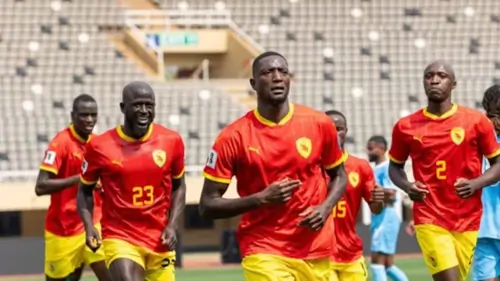
Guinea’s rise to the top is the headline of Volume 3.
Why they rank first:
- Undefeated momentum through Window 1.
- Wins over established top‑10 African programs, including Angola, South Sudan, Nigeria, and Tunisia.
- Strong defensive efficiency and composure in close games.
- Balanced scoring with multiple players capable of carrying stretches.
- Ability to win even when not at full roster strength.
Guinea have shown tactical maturity and resilience under pressure. If they maintain this level and carry their current record into the Second Round, their qualification probability is very high.
Angola
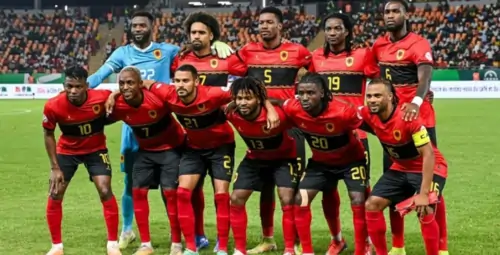
Angola remain one of Africa’s historical powerhouses and a model of qualification consistency.
Key strength factors:
- Structured team system built on decades of high‑level competition.
- Strong rebounding and interior presence.
- Deep knowledge of African qualifying basketball and travel demands.
- Ability to respond after setbacks and rarely collapse in multi‑window cycles.
Even when not ranked #1 on pure form, Angola’s floor is very high, making them one of the safest long‑term picks for a top‑five finish.
Senegal
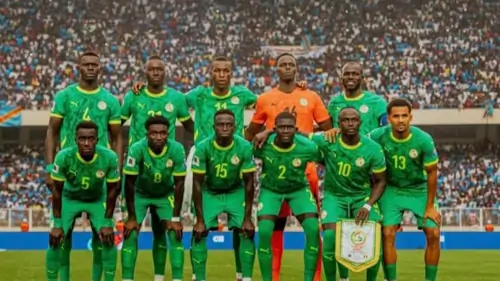
Senegal combine elite athleticism with improving guard play and a passionate home environment.
Key strengths:
- High defensive intensity, especially on the perimeter.
- Transition scoring and the ability to generate runs off turnovers.
- Strong home‑court edge when playing in Dakar windows.
Senegal’s ceiling is very high; their outside shooting and half‑court execution will determine whether they comfortably finish in the top five or get dragged into a tight race.
Cameroon
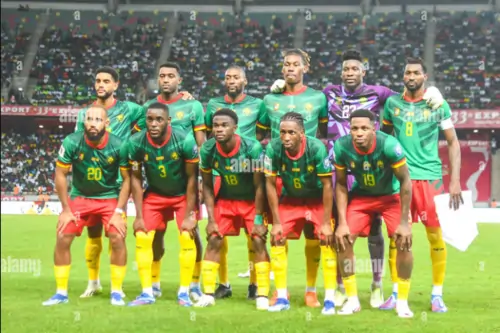
Cameroon have taken a noticeable step forward in offensive structure and rotation balance.
What stands out:
- Improved perimeter shooting and spacing.
- Tactical discipline in late‑game situations.
- Physical interior play that travels well on the road.
They are competitive in tight games, which becomes crucial in the Second Round where carried‑over records and point differential can decide tiebreakers.
Egypt
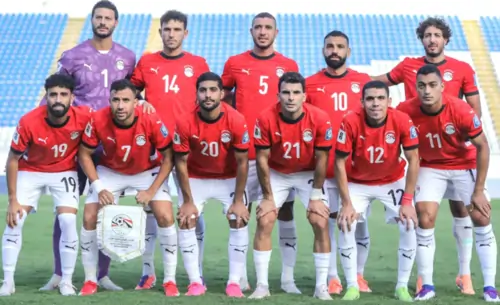
Egypt benefit from a stable domestic system and disciplined half‑court offense.
Strength points:
- Organized sets and good execution in structured possessions.
- Home‑court advantage and strong support when hosting windows (e.g., Alexandria).
- Clear identity in how they want to play both ends of the floor.
Egypt’s qualification chances hinge on maintaining defensive consistency against more athletic opponents and avoiding lapses in back‑to‑back window games.
These teams have the talent to beat anyone in a single game but still show volatility from window to window.
- Côte d’Ivoire – Deep and experienced roster with World Cup pedigree, but early inconsistency and occasional offensive stagnation have cost them.
- Mali – Long, athletic, and aggressive defensively, yet turnover‑prone and sometimes rushed in half‑court offense.
- South Sudan – A rapidly rising program with recent World Cup experience and an 11–1 record in the previous qualifiers, but a 3–4 combined run since AfroBasket 2025 and Window 1 shows early volatility.
South Sudan’s long‑term potential remains elite; the question is whether they can stabilise performances across all five windows.
Teams Under Pressure
Some of these programs have strong recent history – Nigeria, Tunisia, Cape Verde, and South Sudan all played at the 2023 World Cup – but early losses and inconsistent rosters have increased the difficulty of qualifying from their groups. Recovery is possible, especially with results carrying over into the Second Round, but the margin for error is shrinking rapidly.
Volume 3 vs Earlier Rankings: What Changed?
Compared with earlier Smart Power Rankings volumes:
- Guinea climbed significantly after going unbeaten through Window 1 and knocking off established powers.
- Angola remained near the top as a stabilising force.
- South Sudan and Nigeria dropped due to less consistent availability of key players and uneven performances.
- Emerging programs closed the gap on traditional favourites, making the middle tier more crowded.
In a multi‑window qualification system where results carry over, momentum and trajectory matter as much as raw roster talent. The Smart Power Rankings reflect where teams are trending, not just their historical reputation.
Key Factors That Will Decide the Final Five Qualifiers
- Player Availability
NBA, EuroLeague, and major overseas players are not always available for every FIBA window due to club commitments. Teams with deep domestic depth and strong local leagues tend to perform more consistently over a long cycle.
- Defensive Efficiency
African qualifier games are often physical and low‑margin. Teams with structured team defense and clear schemes usually win the close contests that decide group positions.
- Travel & Logistics
African qualifiers involve cross‑continent travel and varying conditions.
- Long travel times.
- Different arenas and climates.
- Unequal federation resources for preparation and recovery.
Federations that manage logistics well often gain an edge in later windows.
- Coaching Stability
Teams with continuity in coaching staff and tactical philosophy tend to perform better across multiple windows. Frequent coaching changes or internal instability can derail qualification campaigns.
Statistical Indicators to Watch
As the qualifiers progress, it’s useful to look beyond basic win–loss records. Key indicators include:
- Point differential – often a better predictor of long‑term success than close wins/losses.
- Defensive rating – points allowed per 100 possessions.
- Rebounding margin – especially offensive rebounds in a physical region.
- Turnover ratio – giveaways vs forced turnovers.
- Bench scoring contribution – depth matters when stars are unavailable.
These metrics usually predict qualification success more accurately than standings alone, especially in a system where results carry over to the Second Round.
Final Expert Analysis: Who Has the Edge?
Based on current trajectory and the early windows:
- Most stable qualification favourites:
- Angola
- Senegal
- Guinea
- Strong challengers:
- Cameroon
- Egypt
- High‑variance wild card:
- South Sudan
The qualification race remains open. With carried‑over results and only five spots available, the difference between finishing 5th and 6th may come down to:
- One defensive stop.
- One rebound.
- One turnover.
That’s how tight African qualification cycles usually are. Volume 3 of the Smart Power Rankings shows a continent where traditional powerhouses and emerging programs are now competing on almost equal footing – and that balance makes the road to Doha 2027 one of the most compelling African basketball campaigns in recent memory.