

Mega Jackpot Slot are some of the most exciting games in online casinos, giving players the chance to win very large prizes from a single spin. They are usually built around progressive prize pools that keep growing as players place bets, which makes them very attractive but also highly volatile.
Understanding how Mega Jackpot Slot Mechanics work helps you see how jackpots are created, how they are triggered, and how to approach these games responsibly. It also helps you set realistic expectations and avoid common myths about “due” or “hot” machines.
What Are Mega Jackpot Slots?
Mega jackpot slots are online slot games that offer very large top prizes, often reaching hundreds of thousands or even millions in jackpot value. In most cases, these games use a progressive jackpot system instead of a fixed maximum payout.
In a progressive jackpot slot, a small percentage of every qualifying wager is added to a shared prize pool. As more players spin the reels across the network, the jackpot continues to grow until one player finally wins it. After a win, the jackpot resets to a predefined starting amount and begins building again.
Some network jackpots have climbed into multi‑million figures, which is why they are heavily featured in casino lobbies and promotional materials. However, these top wins are rare, and players should treat them as a high‑risk, high‑reward form of entertainment rather than a realistic way to make money.
How Mega Jackpot Slot Mechanics Work
Mega jackpot slots bring together several technical and mathematical components that define how the game behaves:
- Progressive jackpot contributions
- Random number generator (RNG) technology
- Jackpot trigger conditions
- Tiered jackpot structures
- RTP (Return to Player) and volatility
All of these are set by the game provider and tested by independent labs in regulated markets. For a deeper overview of progressive jackpot concepts, you can also refer to our dedicated guide on progressive jackpots.
Progressive Jackpot Systems Explained
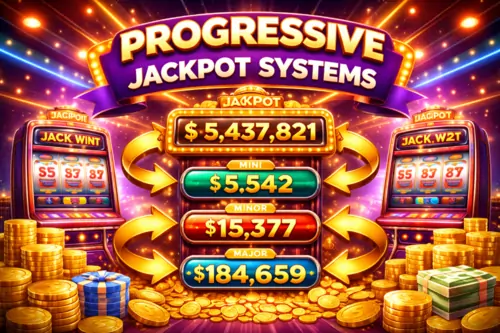
The progressive jackpot system is the core feature that separates mega jackpot slots from standard slots.
Every time a player places a bet on a qualifying jackpot game, a small portion of that wager is allocated to the jackpot pool. This process repeats on every eligible spin across all linked instances of the game. The jackpot continues to rise until it is triggered, then pays out to the winning player and resets to its seed value.
If you want to understand the flow of money into and out of these prize pools in more detail, see our guide on how jackpot pools grow.
Types of Progressive Jackpots
Modern jackpot slots usually use one of three main progressive models.
Standalone Progressive Jackpots
- Linked to a single machine or game instance.
- Only bets placed on that specific game contribute to the jackpot.
- Growth is slower, but the jackpot may be hit more frequently than large networked pools.
Local Progressive Jackpots
- Shared across multiple machines or games within a single casino brand or platform.
- All bets on the linked games feed into the same jackpot pool.
- Jackpots grow faster than standalone progressives and often reach mid to high six‑figure amounts.
Network Progressive Jackpots
- Connected across multiple casinos or brands offering the same title.
- Thousands of players can contribute to a single jackpot at the same time.
- Jackpots can reach very high, headline‑making figures, but the hit rate is typically lower due to the size of the pool and the wider player base.
If you’d like to compare different progressive formats in more depth, many international guides (for example, the “ultimate guide” style features on reputable comparison portals) break down how standalone, local, and network progressives differ in risk and potential payout.
RNG Technology in Slot Machines
All reputable online slots, including mega jackpot games, are powered by Random Number Generator (RNG) technology. The RNG is a software algorithm that continuously generates random sequences of numbers, even when no one is spinning the reels.
When you press the spin button:
- The RNG selects a number (or sequence) at that exact moment.
- That number is mapped to specific symbol positions on the reels.
- The final symbol layout you see is the direct outcome of that RNG output.
This means:
- Each spin is independent of the previous spins.
- There is no memory in the system, so results cannot be “due” or “owed.”
- Patterns you see in short sessions are random, not signals that a jackpot is about to hit.
Licensed casinos are generally required to use certified RNGs that are tested by independent labs (such as eCOGRA, iTech Labs, or GLI in many markets). These tests confirm that the RNG operates within the published RTP and behaves randomly over the long term.
For more background, you can also look at educational pages from neutral organizations like the Responsible Gambling Council, which often include explanations of how randomness and house edge work in gambling products.
Jackpot Trigger Mechanics
Mega jackpot slots can trigger their jackpots in several ways. Understanding the trigger method is important because some games require certain bet levels or specific conditions for you to be eligible for the top prize.
Symbol‑Based Triggers
Some games require certain symbol combinations to win a jackpot, for example:
- A specific number of jackpot symbols on a payline
- A full screen of a particular symbol
- A special jackpot symbol landing in designated positions
When you hit the required combination, the game awards the corresponding jackpot tier, as described in the paytable.
Bonus Round Triggers
Many progressive slots link their jackpots to special bonus features. Typical examples include:
- Triggering a jackpot wheel via scatter or bonus symbols
- Playing a pick‑and‑win game where one of the hidden items awards a jackpot
- Progressing through stages in a bonus feature until you reach a jackpot prize
In these games, you usually need to trigger the bonus first, then land the correct outcome during that bonus to win a jackpot.
Random Jackpot Triggers
Some mega jackpot slots use random triggers, where the jackpot can be awarded on any spin, regardless of the visible symbols. In these cases:
- The jackpot may pop up unexpectedly after a regular spin.
- The trigger is decided by the RNG, not by any pattern you can see on the reels.
Random triggers are popular because they give every qualifying spin a theoretical chance at the jackpot, adding extra suspense to normal gameplay.
Tiered Jackpot Structures
Instead of offering just one top prize, many progressive slots include several jackpot tiers. This tiered structure creates more frequent “jackpot moments” and gives more players a chance to win some form of progressive prize.
A common tier structure includes:
- Mini Jackpot
- Minor Jackpot
- Major Jackpot
- Mega Jackpot
Each tier has its own expected value and hit rate.
Mini Jackpot
- The smallest progressive prize.
- Designed to trigger regularly, often multiple times per day on popular games.
Minor Jackpot
- Medium‑sized progressive prize.
- Hits less frequently than the Mini, but still relatively often.
Major Jackpot
- High‑value jackpot.
- Typically linked to tougher triggers or bonus features.
Mega Jackpot
- The highest tier and main headline prize.
- Extremely rare but can build to very large amounts before someone wins it.
Some guides call this “multi‑level progressives” and you’ll see similar structures across many well‑known titles from top providers.
RTP and Volatility in Mega Jackpot Slots
Two technical aspects strongly influence how a mega jackpot slot feels to play: Return to Player (RTP) and volatility.
Return to Player (RTP)
RTP is the theoretical percentage of total money wagered on a game that is returned to players over a very large number of spins. For example, a slot with 96% RTP is designed so that, over the long term, it pays back 96 for every 100 wagered.
Key points:
- RTP is long‑term and statistical; individual sessions can vary wildly from the theoretical figure.
- Progressive jackpot slots often have slightly lower base‑game RTP because part of each bet funds the jackpot pool.
- Some games list both a base RTP and a combined RTP (base game plus jackpot contribution).
If you want more detail on how jackpot contributions affect long‑term returns and pool growth, you can refer again to our explainer on how jackpot pools grow.
Volatility
Volatility (sometimes called variance) describes how a slot distributes wins over time:
- High volatility: fewer wins overall, but the potential for very large payouts.
- Low volatility: more frequent small wins, with fewer large spikes.
Mega jackpot slots are usually high‑volatility games. That means:
- You may experience long stretches without big wins.
- A single bonus round or jackpot event can dramatically change your session result.
Because of this, bankroll management and sensible bet sizing are especially important when playing mega jackpot titles.
Additional Gameplay Features
Beyond the jackpots, modern mega jackpot slots often include features that make gameplay more dynamic and engaging.
- Free Spins
- Bonus rounds where you spin without paying additional bets.
- Often include extra modifiers such as stacked symbols, wild reels, or increased multipliers.
- Wild Symbols
- Substitute for other symbols (except scatters or special icons) to create or improve winning combinations.
- Some wilds expand, stick for multiple spins, or carry multipliers.
- Multipliers
- Increase your win by a fixed factor (for example, 2x, 3x, 5x or more).
- Commonly found in free spins, respins, or special bonus modes.
- Bonus Games
- Pick‑and‑click features, prize wheels, or mini‑games that can award cash prizes, multipliers, or jackpots.
These features do not change the long‑term RTP of the game, but they affect how and when payouts occur and make the experience more entertaining.
Famous Mega Jackpot Slot Games
Several progressive slots have become well known for awarding very large jackpots and appear frequently in international casino news.
- Mega Moolah (Microgaming)
- Often nicknamed the “millionaire maker.”
- Features a four‑tier progressive wheel with Mini, Minor, Major, and Mega jackpots.
- Mega Fortune (NetEnt)
- Luxury‑themed game with champagne, limousines, and yacht symbols.
- Known for record‑breaking payouts through its multi‑level jackpot wheel.
- Divine Fortune (NetEnt variants)
- Mythology‑themed slot with local progressive jackpots.
- Combines falling wilds, free spins, and a bonus game for jackpots.
If you are reading general reviews or top‑list articles on major comparison sites, you will often see these games mentioned when discussing progressive jackpots and mega wins.
Strategies for Playing Mega Jackpot Slots
There is no strategy that can guarantee a jackpot or change the built‑in house edge of a mega jackpot slot. However, you can use practical guidelines to manage risk and enjoy the games more safely.
- Choose Licensed and Regulated Casinos
- Always play at operators that are properly licensed by recognized authorities in your region.
- Licensed casinos must use certified RNGs and follow rules on payouts, game fairness, and player protection.
- Read the Game Rules and Paytable
- Check whether you need to place a maximum or minimum bet to qualify for certain jackpots.
- Review how jackpots are triggered and what the different tiers pay.
- Set a Budget and Stick to It
- Decide your session budget in advance and treat it as the maximum you are prepared to lose.
- Do not increase your stakes just because the jackpot looks large or you have recently lost.
- Adjust Your Bet Size for Volatility
- Choose a stake that allows you to play a comfortable number of spins without putting too much pressure on your bankroll.
- High volatility means you should be prepared for swings in your balance.
- Try Demo or Free‑Play Modes
- Use demo versions (where available) to learn how features and jackpots work before risking real money.
- Avoid Chasing Losses or “Due” Jackpots
- A growing jackpot does not mean a win is close.
- Chasing after losses can quickly lead to overspending and emotional decisions.
Think of mega jackpot slots as entertainment with a small chance of a big surprise win, not as a reliable way to make long‑term profit.
Responsible Gambling Practices
Mega jackpot slots can be intense and emotional, especially when jackpots reach very high values. Responsible gambling habits help ensure that play remains enjoyable and under control.
Good practices include:
- Set Time and Money Limits
- Decide in advance how long you will play and how much you can afford to lose.
- Stop when you hit those limits, regardless of whether you are winning or losing.
- Avoid Gambling When Emotional
- Do not gamble to cope with stress, boredom, or financial pressure.
- Take a break if you feel frustrated or impulsive.
- Take Regular Breaks
- Step away from the screen to reset your focus and avoid “auto‑pilot” play.
- Never Use Essential Funds
- Only gamble with discretionary money, not funds meant for rent, bills, or savings.
- Use Built‑In Tools
- Many online casinos offer deposit limits, loss limits, reality checks, cool‑off periods, and self‑exclusion.
- Consider using these tools proactively to keep control of your gambling.
- Seek Help If Needed
- If you find it hard to stop or gambling is affecting your daily life, consider speaking to a professional support service.
- International resources like the Responsible Gambling Council provide educational material and links to local help.
- For players in many regions, national helplines and counselling services are available and can be found via government or health‑organization websites.