

Gambling can become harmful when spending, emotions, or behavior are no longer managed responsibly.
While most players engage in betting as a form of entertainment, problems arise when gambling begins to negatively affect finances, relationships, or mental health.
At this stage, it becomes crucial to implement protective measures to prevent further harm. Recognizing early signs—such as chasing losses, prioritizing gambling over responsibilities, or experiencing stress and anxiety related to betting—is key to maintaining control.
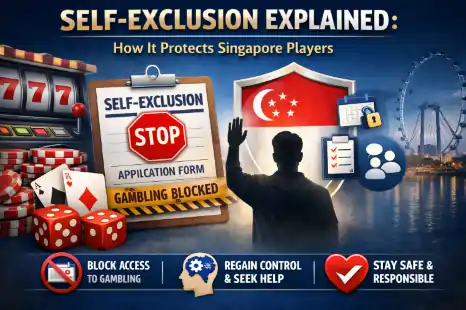
This is where self exclusion comes in. Self-exclusion is a structured protection tool designed to help individuals pause or completely stop their access to gambling when they recognize they are at risk.
Unlike general advice or voluntary limits, self exclusion provides enforceable restrictions, offering players a concrete way to step back, regain control, and seek support without external pressure.
Many operators integrate this tool alongside other responsible gambling measures, such as deposit limits, reality checks, and educational resources, creating a comprehensive safety net.
Singapore stands out as a regional leader in responsible gambling, offering one of the most robust frameworks in Asia. Through strict regulations, public awareness campaigns, and rigorous operator enforcement, the country ensures that gambling is conducted safely and responsibly.
Players are not just given guidelines—they are provided with practical safeguards that are actively enforced. Among these, self-exclusion is considered one of the most effective protective measures, allowing at-risk individuals to prevent further harm while accessing professional help if needed.
By combining legal oversight, operator accountability, and player education, Singapore demonstrates how structured responsible gambling initiatives can create a safer and more controlled gaming environment for all.
What Is Self Exclusion?
Self-exclusion is a voluntary legal request made by an individual to block themselves from gambling activities. Once approved, licensed gambling operators are legally required to deny the person access to gambling services.
In Singapore, the program is administered by the National Council on Problem Gambling. It allows individuals to restrict themselves from entering physical casinos and from accessing licensed remote gambling platforms.
This system is designed to:
- Prevent financial losses from escalating
- Reduce emotional distress linked to gambling
- Interrupt compulsive betting patterns
- Encourage recovery and professional support
Self-exclusion is not a criminal penalty. It does not appear on employment records. It is a confidential safety mechanism. Many individuals use it as a reset period to rebuild financial discipline and emotional stability.
For additional guidance, visit our Responsible Gaming section.
Legal Framework Behind Self-Exclusion in Singapore
Singapore’s gambling industry operates under strict supervision. The Gambling Regulatory Authority oversees licensed gambling activities and ensures compliance with national laws.
Major casinos such as Marina Bay Sands and Resorts World Sentosa are legally obligated to enforce exclusion orders immediately.
Under Singapore law:
- Entry must be denied to excluded individuals
- Marketing communications must cease
- Account registration must be blocked
- Deposits and betting access must be restricted
- Winnings obtained during exclusion may be forfeited
These legal requirements ensure that self-exclusion is fully enforceable. It is not symbolic. Operators face penalties if they fail to comply.
Types of Self-Exclusion Available
Singapore provides several exclusion options depending on individual needs.
1. Casino Self-Exclusion
Blocks entry into all licensed casinos in Singapore. Identity verification systems at entry points detect excluded individuals automatically.
2. Online Gambling Exclusion
Prevents individuals from registering, depositing, or betting with licensed remote gambling operators. Digital monitoring systems enforce these restrictions.
3. Third-Party Exclusion
Close family members can apply for exclusion on behalf of someone experiencing gambling harm. This provides an intervention pathway when the individual is unwilling or unable to apply independently.
4. Entry Levies and Visit Controls
Singapore residents are subject to casino entry levies. While not a direct exclusion, this financial barrier helps discourage excessive visits and supports harm minimization efforts.
Each option is structured to reduce risk before financial or emotional harm becomes severe.
How to Apply for Self-Exclusion
The process is designed to be confidential and accessible:
- Visit the official NCPG website
- Complete the online application form
- Submit identity verification documents
- Choose your exclusion duration
- Receive confirmation of approval
Exclusion durations may include:
- Short-term exclusion
- Multi-year exclusion
- Lifetime exclusion
Once activated, the restriction applies across all licensed operators. The enforcement is centralized and immediate.
What Happens During the Exclusion Period?
During the active exclusion period:
- Casino entry is denied
- Online gambling accounts are suspended
- Marketing emails and promotions stop
- New accounts cannot be opened
Attempting to gamble while excluded may result in denied access and potential forfeiture of winnings.
Reinstatement is not automatic. After the exclusion period ends, individuals must apply for reinstatement. This ensures players evaluate their readiness before returning to gambling activities.
Why Self-Exclusion Is Important for Player Protection
Self-exclusion provides multiple layers of protection.
Financial Protection
It prevents further debt accumulation and protects household income from continuous gambling losses.
Emotional Relief
Removing access reduces anxiety, guilt, and stress associated with chasing losses.
Family Stability
Third-party exclusion allows families to intervene early, reducing long-term conflict and hardship.
Structured Recovery
It creates time for counseling, financial planning, and behavioral adjustment.
Singapore’s regulatory framework ensures gambling remains a regulated leisure activity rather than a financial threat.
External resources, such as the Gambling Commission UK, provide detailed guidance on self-exclusion and legal requirements.
Signs You Should Consider Self-Exclusion
You may benefit from exclusion if you:
- Frequently chase losses
- Borrow money to continue gambling
- Feel irritated when unable to bet
- Hide gambling activity from family
- Neglect work or responsibilities
Recognizing these signs early reduces long-term consequences. Seeking support demonstrates responsibility and strength.
Final Thoughts
Self-exclusion is one of the strongest responsible gambling safeguards available in Singapore. It protects individuals, families, and the wider community through enforceable legal measures.
If gambling behavior is becoming difficult to manage, early action can prevent serious harm. Responsible gambling practices promote financial safety, emotional wellbeing, and long-term stability.
Disclaimer: This article is for educational purposes only. Always consult official sources such as the National Council on Problem Gambling and the Gambling Regulatory Authority for the latest policies, procedures, and regulatory updates.